homeopathic doctor
medical herbalist
homeopathic doctor
medical herbalist
Stress is a reaction, a psychological and physical state resulting from what happens to us and also what we carry inside. Put another way, it arises from an imbalance between life’s demands and the resources that determine our ability to cope.
Life for many people today is characterised by a challenging environment and an awareness of some degree of internal stress. If this becomes chronic (long term), an unhealthy state of affairs develops that undermines further our ability to cope. This tends to lead to emotional problems, wellbeing problems and eventually to physical problems. Most of us are someway down this road. These days you don’t have to be a London city dweller to feel constantly revved up and coping with stuff.
This is why stress is known to exacerbate almost all known diseases and be a primary factor in many. From my experience with cancer patients, I estimate 80% to have an identifiable history of sustained peak stress in the two or three years preceding diagnosis.
Emotionally stress is about worrying. This in turn is very often about opposition to what is. We can focus on fears for the future (things that very probably won’t happen), on situations we feel powerless to change in the present or on something that has already happened (when there is little you can do to alter it). Worry occurs subconsciously too, and is all the more powerful for being invisible. Family/relationship issues, work concerns and information overload are three of the main sources. Physiologically, worrying stimulates the fight or flight response which, if sustained, becomes damaging both emotionally and physically.
Physically stress is predisposed to by the many unnatural or noxious physical influences around us these days and also by our poor nutritional status. Compared to 30 years ago, our bodily mineral levels have steadily declined while toxin levels have increased. We are physiologically running on empty (especially those carrying too much weight). Now factor in lack of exercise, insufficient quality sleep, unhealthy habits, treadmill lifestyles, London living...
The effects on our bodies are many and reach to our deepest levels of functioning because the very control mechanisms to our organs and physiology, namely the nervous and endocrine systems, are at the core of the stress response. Needless to say the effect is adverse; upon the heart, brain, hormones, digestion, immune system, liver, ageing process, blood pressure…in fact probably every aspect of our being.
The manifestations of these processes show up in our emotions (eg irritability), mental functioning (eg forgetfulness), performance at work, associated ailments, energy levels, sex drive and so on. In the medium and long term serious disease becomes more likely. The term ‘burnout’ is a modern and telling word for too much coping on empty
Anxiety or panic attacks
A feeling of being constantly pressured, hassled, and hurried Irritability and moodiness
Physical symptoms, such as stomach problems, headaches, or even chest pain
Allergic reactions, such as eczema or asthma
Problems sleeping, Drinking too much, smoking, overeating, or doing drugs
Sadness or depression
No
time for relaxation or pleasurable activities
Proneness to accidents and forgetfulness
Increased reliance on alcohol, smoking, caffeine, recreational or illegal drugs
Becoming a workaholic
Poor time management and/or poor standards of work
Absenteeism
Self neglect or change in appearance
Social withdrawal
Relationship problems
Insomnia or waking tired
Recklessness
Aggressive or angry outbursts
Nervousness
Uncharacteristic lying
I must perform well
Life should not be unfair
Self or other-damning statements
Low frustration statements such as I can't stand it
I must be in control
I want to scream/explode/be violent
It's awful, terrible, horrible, unbearable etc.
I must have what I want
I must obey 'my' moral code and rules
Others must approve of me
Cognitive distortions e.g. all or nothing thinking
Anxiety
Irritable bowel syndrome
Depression
Fatigue/burnout
Insomnia
Tense muscles
Fibromyalgia
Hormone problems
Cancer
Allergies and intolerances
Headaches
Substance misuse
Relationship problems
Job problems …and the rest!
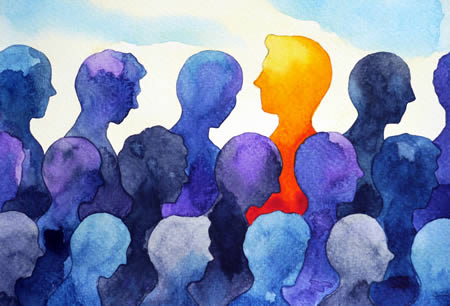
So what to do to prevent and treat stress? Usually some things can be changed quite easily, while other factors take longer to address. A few basic steps almost always help. Professional input may be required and has the potential to change things much more than can be achieved alone as it is often possible to ‘flick a switch’ physiologically and make an immediate difference in both mind and body.
The first step is to learn to recognize when you're feeling stressed. The next is to choose a way to deal with your stress. One way is to avoid the stressful stimulus, another is to change how you react to stress.
Take a stand against over scheduling
Be
realistic about your expectations of yourself and others
Get a
good night's sleep
Learn how to relax - this is your body's
opposite of stress. Breathing exercises, meditation, reading, making
time for a particular interest, spending time with your pet, a
relaxing bath, a massage, having some fun…
Treat your body well –
regular exercise, intelligent eating, juicing, a ‘multi’ nutritional
supplement, vitamin B complex, avoid chemical stimulants
Watch
what you're thinking – even if you are a pessimist, everyone can
learn to think more optimistically and reap the benefits
Solve
the little problems - avoiding things puts you out of control and
increases the size of the perceived mountain. Resolving things, one
at a time, makes you stronger.
I try to treat the physiological consequences of stress alongside the emotional tendency to get into that state in the first place, and find this approach works well. Each person has a combination of circumstantial, psychological and physical factors and individuals vary as to where the biggest improvements can be made. There are a number of different strategies that can be used to ease a stressful mindset, support the adrenal glands, give more energy and deal with the various aspects of being stressed. What people tend to report after successful treatment is feeling much better in themselves, being able to do more while taking less time about it, feeling more creative and open (particularly with emotions), being less wound up, feeling refreshed on waking and so on.
The Articles page has these related documents: Stress Questionnaire | Ten Stress Busting Tips | 60 Second Tranquilliser
Read some feedback from my patients.
Visit my Testimonials page...
View articles and guides: Patients Guide, Ideal Diet, Stress Questionnaire, Chaperone Policy and more.
Visit my
Articles page...
Live online video appointments are a convenient alternative to
in-person homeopathy.
Further details on my
Video Appointment service...
Medically qualified homeopathic doctor, medical herbalist – Central London, Kensington West London, Richmond Southwest London
Homeopathy in London and Richmond, Surrey